+30 697.38.37.123
Info@SeaYou.gr
+30 697.38.37.123
Info@SeaYou.gr

It usually happens earlier.
Somewhere between “I’d like to try this”
and the moment you realize you don’t want to just be a passenger anymore.
And then comes the question:
Can I actually do this?
Short answer: yes.
But not in the way most people think.
Becoming a skipper is not about talent.
It’s not about being “born for the sea”.
It’s about:
Because they won’t.
I’ve seen people arrive thinking they won’t even touch the helm…
and a few days later, they don’t want to leave it.
In Greece, becoming a skipper is surprisingly accessible.
You don’t need years of experience.
You don’t need to grow up sailing.
What you do need is:
That’s it.
Most people expect something far more complicated.
It isn’t.
To legally charter and skipper a sailing yacht in Greece, you need a recognized sailing license.
The most commonly accepted certifications are:
ISSA (International Sailing Schools Association)
RYA (Royal Yachting Association)
ICC (International Certificate of Competence)
These are internationally recognized and accepted by charter companies in Greece.
In most cases, you will also need a second person on board, declared as co-skipper.
This doesn’t mean they need a full certification.
But they should be able to assist with basic tasks if needed.
It’s less about bureaucracy
and more about safety and responsibility.
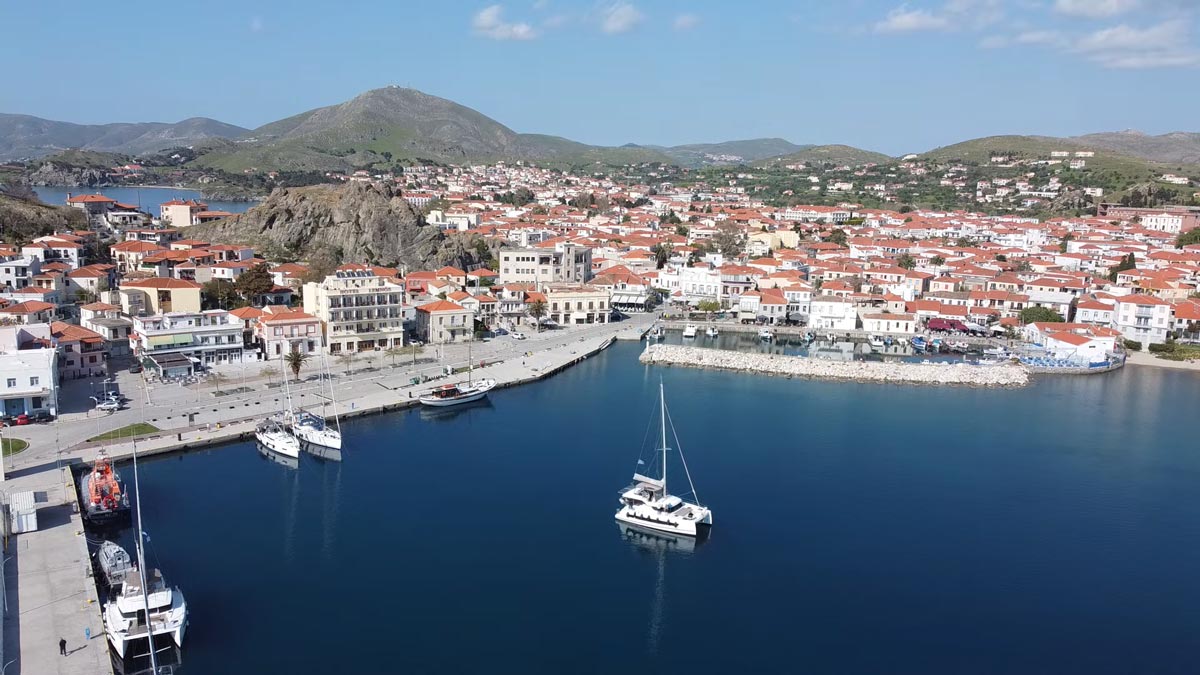
This is where everything begins.
Not with theory — but with feeling.
Wind, movement, space.
Things you don’t fully understand yet, but you remember.
This is where structure comes in.
You learn:
And more importantly:
how not to panic when something unexpected happens.
The problem is not learning to sail.
The problem is trusting yourself enough to take responsibility.
At this point, you’re assessed.
Not just on knowledge — but on awareness.
Because sailing is not about doing everything right.
It’s about reacting correctly when things aren’t.
This is the moment that changes everything.
You’re no longer following instructions.
You’re making decisions.
This is where most people get it wrong.
They think it takes years.
It doesn’t.
You can go from zero to certified skipper in a matter of days
if the training is immersive and properly structured.
But here’s the important part:
Getting certified is fast.
Becoming confident takes a bit longer.
And that’s normal.
— Antonis —
Costs vary depending on the course, location, and level of support.
But generally, you should expect:
It’s an investment — but not an extreme one.
Especially when you consider what it gives you in return:
freedom, access, and a completely different way of traveling.
No.
And this is where many people hesitate unnecessarily.
You don’t need:
You just need the willingness to learn.
(If you want a deeper breakdown on this, read:
Can You Really Sail Without Experience?)
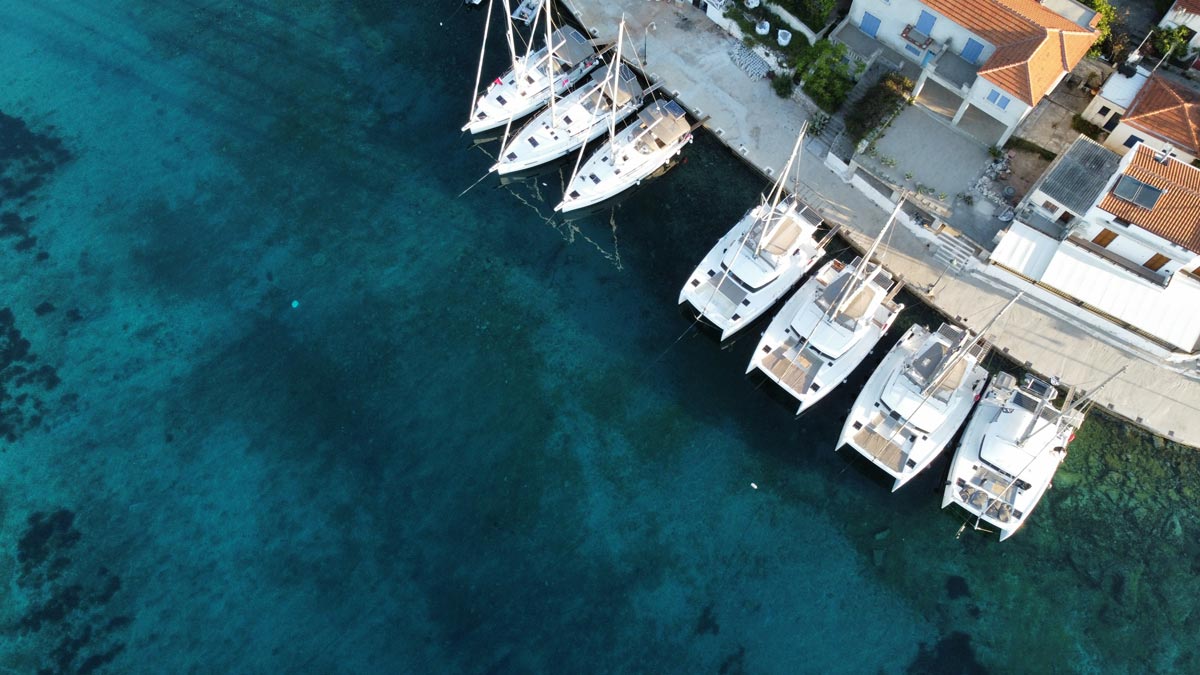
No checklist prepares you for this part.
You think it’s about the boat.
It’s not.
It’s about the moment you realize:
you are responsible for the route, the decisions, the timing.
And at the same time…
everything slows down.
No.
Sailing is not about strength.
It’s about awareness, timing, and coordination.
Most modern boats are designed to be handled by small crews.
And with the right guidance, even complete beginners adapt surprisingly fast.
What matters more is your ability to stay present
and make decisions without rushing.
If you’re just looking for another activity — maybe not.
But if you’re looking for:
Then yes.
If you’ve been thinking about this for a while,
this is usually the moment people either move forward… or stay where they are.
👉 Become a skipper in 7 days
👉 Or simply start with a conversation